
Arts& Culture





Drama-Free Branding for the Arts
Audience building and retention are at the heart of every event, production, and performance.
But promoting the work can sometimes become as demanding as creating it. Arts organizations and independent artists need to attract attention, build audiences, sell tickets, and keep people coming back—often with limited time, budgets, and resources. The challenge is creating marketing that captures the excitement of the work without overwhelming the people creating it.
Strategy
Before the curtain goes up or the doos open.
Every arts and culture organization has two built-in advantages: they create content, and they have an identifiable audience. The problem is, they’re all different.
The strategy that works for a performing arts center may be completely wrong for a film festival, musician, theatre company, or public art project. Templates, formulas, and general business assumptions can flatten the very thing that makes the work worth seeing.
We start with a Brand Focus Review—an in-depth discovery process that answers three key questions:
What are you creating?
Who are you creating it for?
And why should they care?
For internationally acclaimed violinist and educator Daisy Jopling, the Brand Focus Review helped us clarify the relationship between the artist, the educator, and the organization—and create a clearer foundation for reaching the audiences that matter
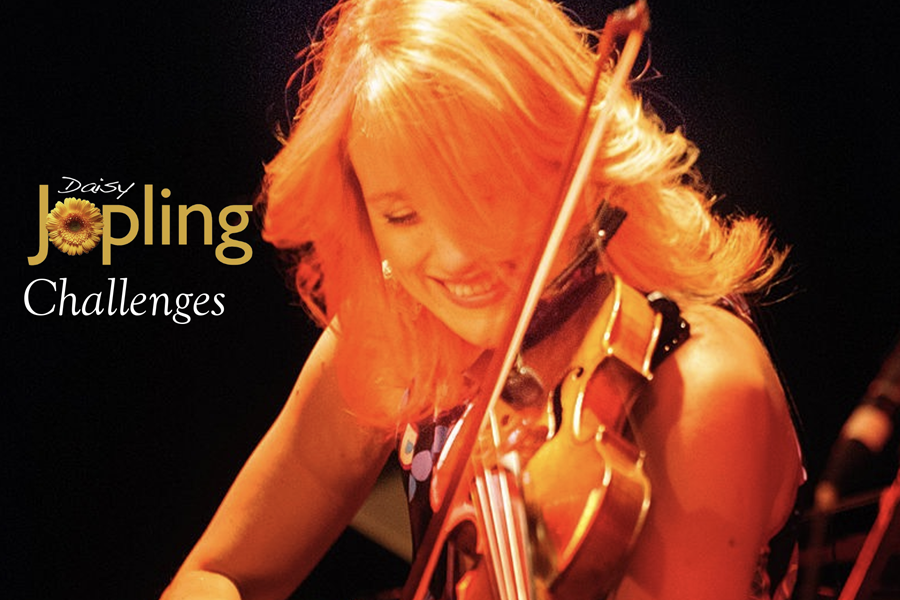
Looking beyond the performance to define what makes the brand distinctive.

Turning discovery into a clear strategy for positioning, messaging and growth.
The result isn’t another report to put on a shelf. It’s the roadmap for what we do next.
Execution
Turning the Strategy Into Experience
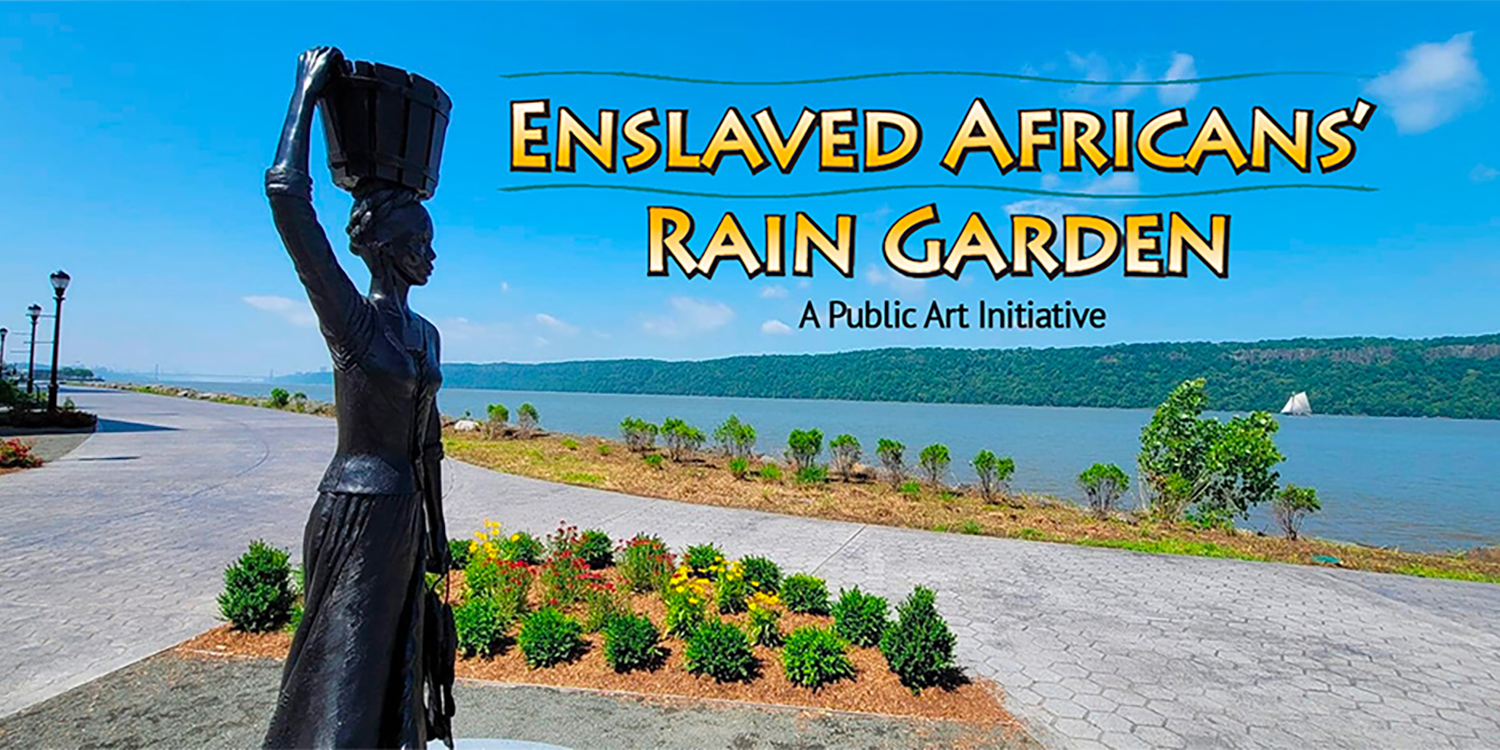
Every project is executed to capture its unique experience and connect with its ideal audience. SOPAC uses performance video, audio, and artist stories to bring the stage online; the West Orange Classic Film Festival builds each week around the imagery, stories, and trivia of a different classic film; The Storyline Project draws on theatre posters and production photography; and the Enslaved Africans Rain Garden takes visitors through the journey of its creation, culminating in video backstories that bring the subjects of the sculptures to life.
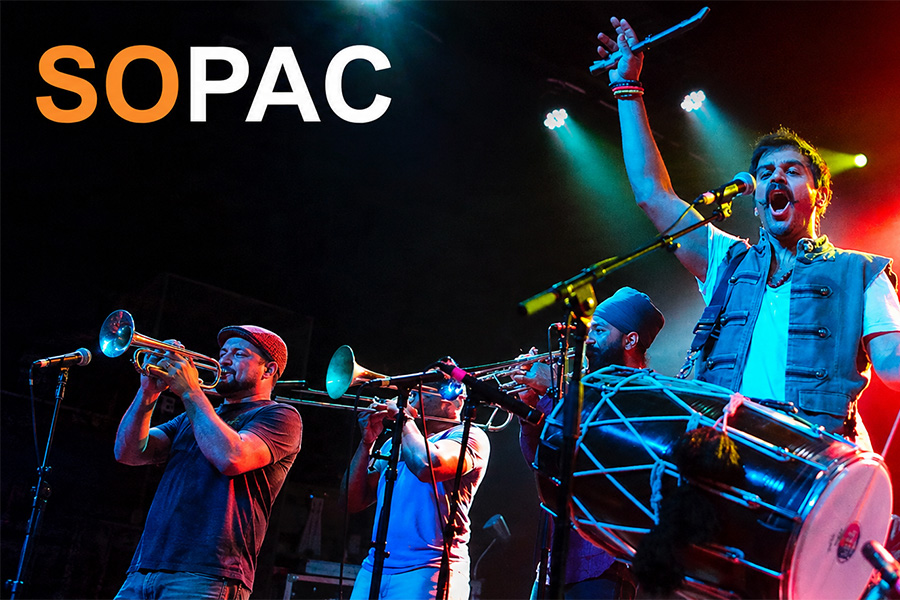
Putting the performers—and the experience—front and center.
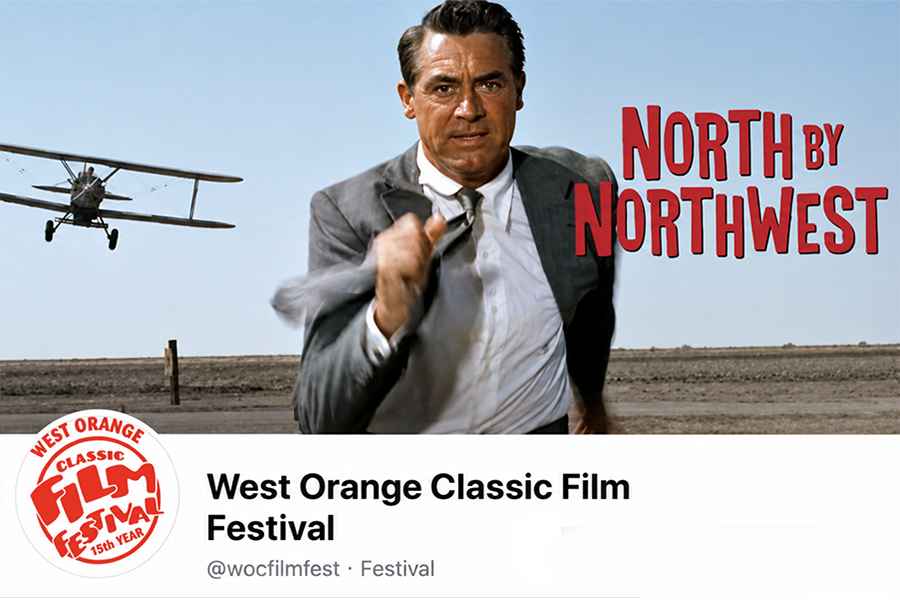
Turning each week’s film into an event of its own.
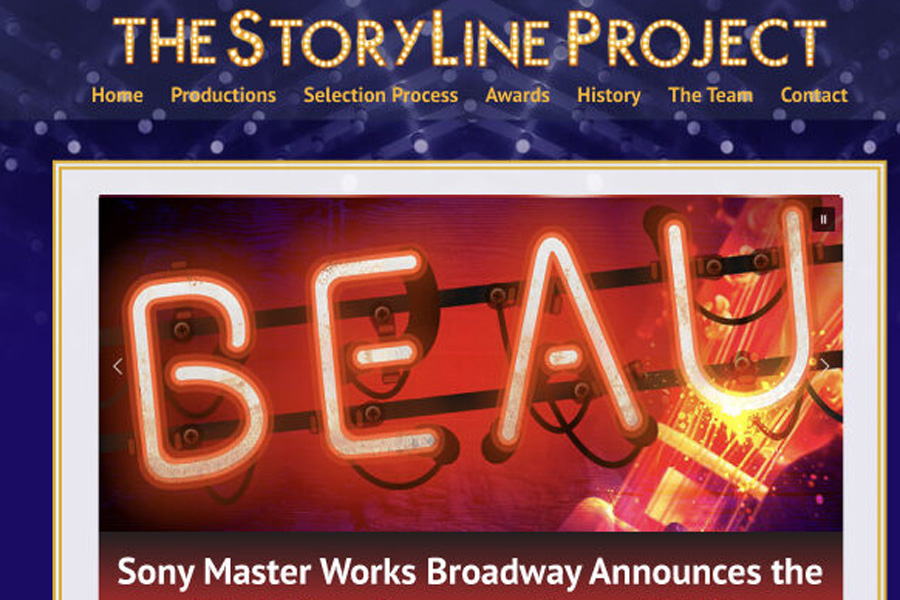
Using the visual language of theater to bring each production to life.
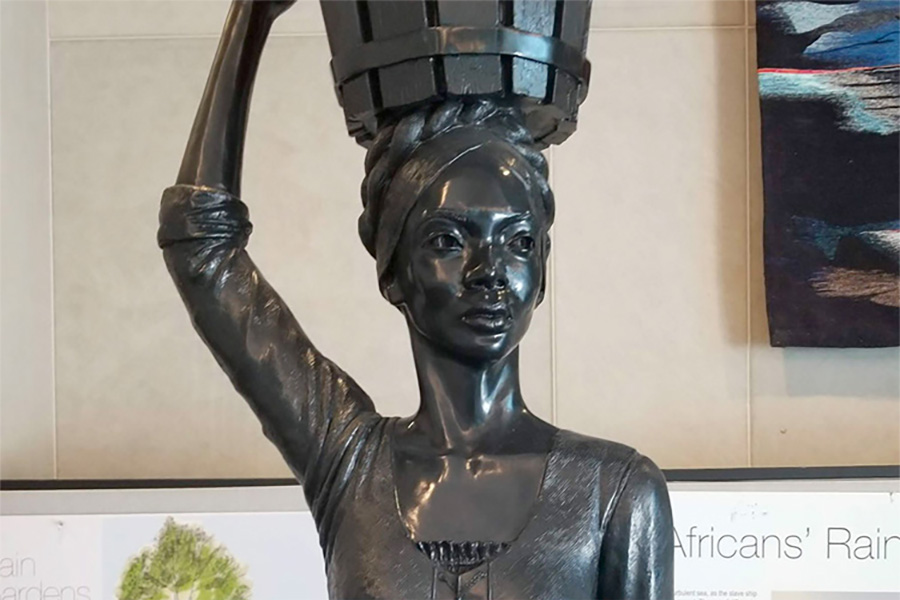
Extending the physical experience through the stories behind the sculptures.
Outcome
Marketing the Arts Is an Art
Great arts marketing doesn’t simply announce an event. It gives people a taste of the experience before they arrive—and something to remember and share after they leave.
Across these projects, the goal was to turn the work itself into the marketing: the performers, the stories, the imagery, the history, and the experience. That builds anticipation before the curtain goes up, strengthens the connection while the audience is there, and gives the experience life long after the lights come down.
Because when the work is worth experiencing, the marketing should be too.



Michael Pilla Strategist · Designer · Author | Author of You Oughta Be In Business »
© 2026 NoNonsense.Design · Privacy Policy